
The Peter’s Pence class action lawsuit against the United States Conference of Catholic Bishops (USCCB) was originally filed in January 2020. The lawsuit alleges that USCCB routinely asks Catholics throughout the country to donate money to the annual Peter’s Pence collection to “help victims of war, oppression, natural disaster, or disease,” but the money actually goes into funds which invest in such ventures as luxury condominium developments and Hollywood movies. The Plaintiff claims the USCCB is liable under theories of common law fraud, unjust enrichment, and breach of fiduciary duty.

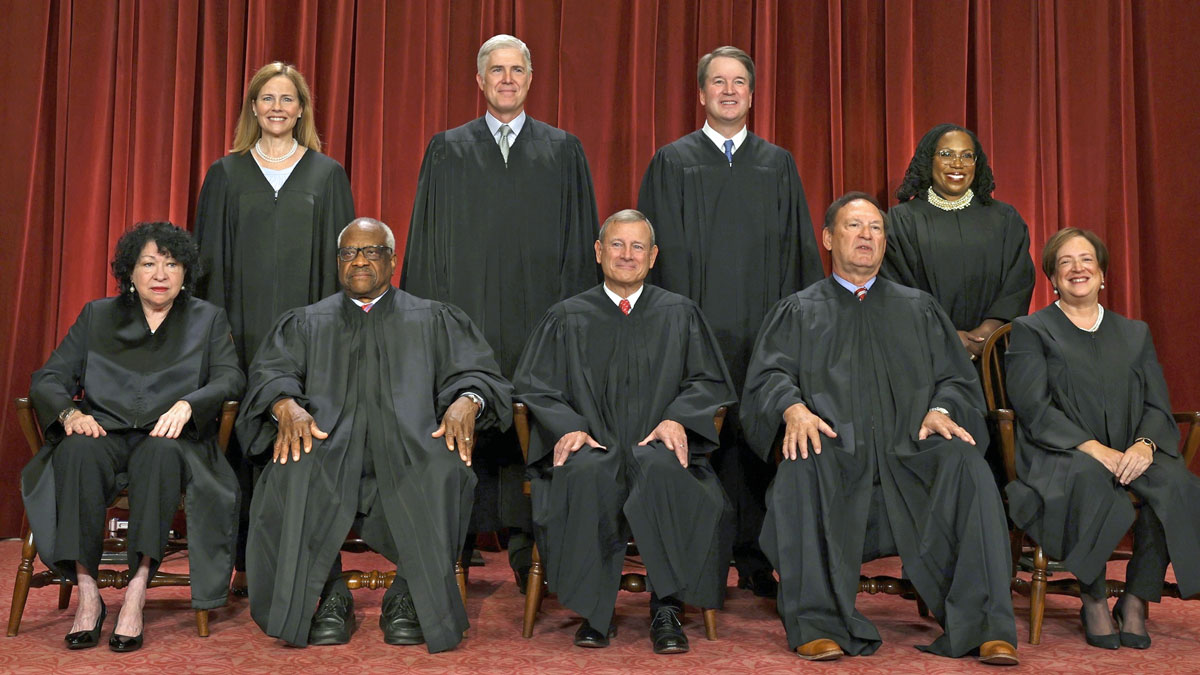
After 6 years of failed attempts to get the lawsuit dismissed, the USCCB and now filed a petition with the U.S. Supreme Court for a writ of certiorari. A writ of certiorari is a legal remedy used to review the decisions of a lower court. A writ would allow the Supreme Court to examine the records of the case and determine whether the lower court’s decision was correct.
In their 52-page petition, the USCCB argues that the lawsuit against them should be dismissed for the following reasons:
- The petition contends that church autonomy provides structural immunity from suit, not merely a defense to liability, protecting religious groups from litigation burdens like discovery into ecclesiastical matters.
- The denial of a dispositive church autonomy defense should be immediately appealable under the collateral order doctrine, as it resolves important issues unreviewable post-trial.
- “Neutral principles of law” should not apply to church governance disputes like this fraud claim over religious offerings, as they are limited to property cases.
- The issues in the case are nationally vital, eroding religious independence and enabling government overreach.
The Plaintiff’s position is that the this is all about using fraudulent claims to raise money and has nothing to do with religious liberty. The truth is the U.S. bishops don’t want the Plaintiff’s case to get to discovery where all of their behind-the-scenes communications will be exposed.
The Supreme Court may decide to not accept the case, which would result in the lower court’s decision to remain in place and the case will proceed to discovery. If the Court decides to hear the bishops’ appeal, it would then either reaffirm the lower court’s ruling or overrule the decision. We will update you when we hear a decision from the Court.
Source: Peter’s Pence Class Action